
Make Every Nudge Count: Spaces That Teach Better Habits
Today we explore designing environmental cues that shape habits at home and work, turning rooms and routines into quiet allies. Discover how placement, visibility, lighting, sound, and tiny bits of friction can redirect attention and effort, so better choices feel obvious and easy. Expect practical experiments, warm stories, and science-backed guidance you can try this week, plus invitations to share your wins and questions so our community can learn, iterate, and celebrate together.
Why Cues Move Us: The Psychology Behind Everyday Decisions
Before rearranging a single object, it helps to know why a small signal can shift an entire day. Habits ride on cues, routines, and rewards, while attention follows salience, contrast, and convenience. Behavioral science shows defaults win often, friction shapes follow-through, and emotion locks memories into place. By weaving these principles into furniture, surfaces, and sightlines, you guide action without micromanagement and create spaces that feel supportive rather than strict.

Home Environments That Nudge Without Nagging
Home should feel gentle yet guiding, inviting the behaviors you value while respecting rest and spontaneity. Use visibility to encourage the good, containers to contain the tempting, and paths to prioritize what matters. Let routines live where they happen: stretching mat near sunlight, lunch prep zone by knives and boards, gratitude notes beside the bed. Include family voices as you design, celebrate tiny wins, and adjust seasonally as life rhythms evolve.
A Kitchen That Makes Healthy Easy
Place produce at eye level, stash sweets out of sight, and keep knives sharp and boards clean so chopping feels fast. Pre-portion grains, label jars with playful promises, and set a water carafe beside bright glasses. Make the first step irresistible: a citrus scent, a welcoming bowl, and a playlist that cues movement. When prep stations are obvious and tools are ready, dinner becomes an act of flow rather than friction.
Bedrooms That Invite Restful Rituals
Treat wind-down like choreography: a soft lamp on a timer, a charging station outside easy reach, and a paper novel on the pillow to replace scrolling. Keep a notepad for late worries, cozy socks in a visible basket, and blackout curtains adjusted for gentle mornings. A lavender spritz signals quiet, while a set-out outfit simplifies sunrise. When sensory cues align with calm and predictability, sleep becomes a dependable companion rather than a negotiation.
Living Areas That Encourage Connection
Arrange seating to favor faces over screens, placing remotes in a closed drawer and board games within arm’s reach. Create a conversation centerpiece—a puzzle, a plant, a photo album—that invites hands and stories. Keep phone chargers away from the coffee table, add warm light near books, and offer a basket for quick resets. When the room’s default activity is shared attention, evenings drift toward laughter, reading, and playful collaboration without lectures or guilt.
Workspaces That Protect Focus and Fuel Collaboration
Whether at a buzzing office or a quiet kitchen table, cues can guard deep work and guide team flow. Use clear zones for modes, show what’s in progress, and keep first steps visible. Reduce attention leaks with intentional lighting, soundscapes, and tidy tool placement. Build meeting culture into the environment with stand-up spaces, visual agendas, and countdown timers. When the space says what’s next, energy shifts from juggling to creating meaningful progress.
A Desk That Starts Deep Work
Let your desk pre-commit to focus before you sit: a single task card centered, noise-canceling headphones within reach, and distracting tabs hidden by default. Keep a capture pad on the right for intrusive thoughts, a timer on the left to anchor sprints, and a water bottle front and center. Begin each day by resetting this stage. When every object points to one clear action, your brain meets fewer decisions and more momentum.
Shared Signals for Team Flow
Agree on visible norms that reduce guesswork: a small light for availability, a parking lot wall for off-topic ideas, and a kanban board that shows real status without status meetings. Post templates at print stations, place sticky notes by whiteboards, and store markers with backup ink. Add micro-rituals—two-minute retros at the exit door—to capture learning. Collective cues replace reminders, protecting attention while making collaboration feel smoother, kinder, and measurably faster.
Remote Routines and Boundary Markers
Create a portable start line: a webcam cover slide, a desk mat unrolled, a standing lamp flipped on to signal work mode. Use a closing ritual too: pack tools into a tote, switch lamp color, and step outside for three breaths. Maintain a visible meeting agenda in your camera frame to nudge clarity. These boundary cues reclaim home spaces after hours, preventing work from bleeding everywhere and protecting restorative time without extra willpower.
Ethical, Inclusive, and Sustainable Nudging
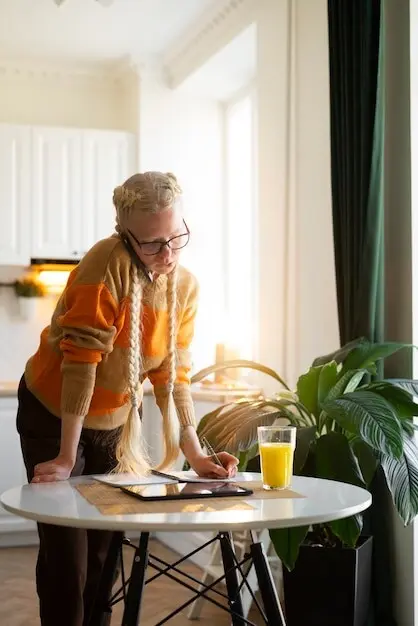
Good design cares how influence feels. Aim for consent, clarity, and reversibility so people choose participation rather than feel pushed. Welcome different bodies and minds by offering alternatives and sensory flexibility. Prefer cues that reduce consumption, shorten errands, and extend product life. Build transparency into signage and settings, explain the why, and invite feedback. Responsible nudging earns trust, helps habits endure, and ensures progress never arrives by compromising dignity, autonomy, or the planet we share.





Real-World Moments: Little Changes, Lasting Habits
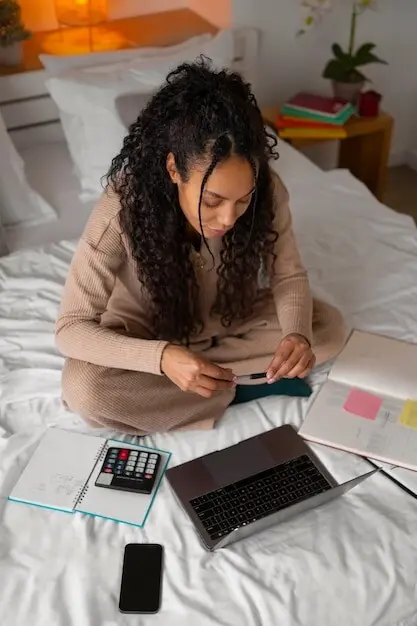
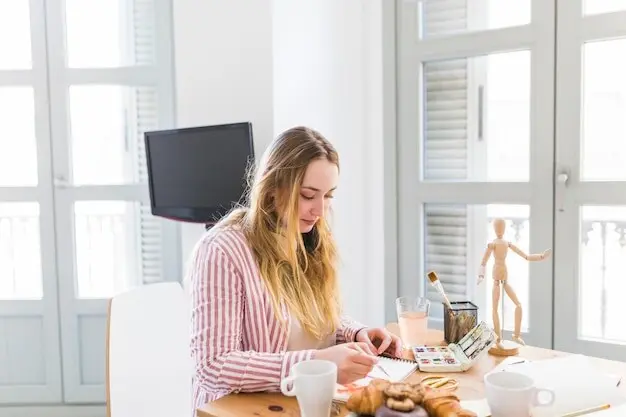
Across homes and offices, modest rearrangements deliver outsized benefits when tied to daily rhythms. A hallway shoe rack trims delays, a standing agenda rescues meetings, and a visible fruit bowl changes snacks. These stories invite your own experiments and feedback—send photos, questions, or quick wins. Together we refine ideas, trade gentle reminders, and prove that thoughtful cues outcompete willpower alone, building kinder routines that survive busy seasons and brighten ordinary days.
All Rights Reserved.